Center Certification & Testing International

In August 2026, the Korean Agency for Technology and Standards (KATS) published the draft revision of KC 62133-2 and completed the WTO notification, raising the overall safety threshold for lithium batteries. For the power bank industry in particular, the era of a single battery standard has come to an end, and dual-standard mandatory control is on the horizon. Factories and foreign trade enterprises that export batteries, power banks and portable lithium battery products to South Korea must seize the short transition period to avoid subsequent customs clearance obstacles.
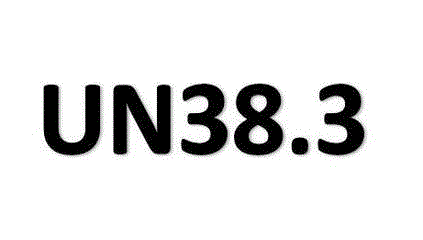
Dear partners in the battery production, export, and freight forwarding industries, attention please! The \"compliance exam\" for year-end exports has entered the preparation stage. Every fourth quarter is a busy period for battery transportation inspections. Many enterprises have encountered problems such as booking containers being refused, cargo being detained at the port, and additional storage rental deductions due to issues like expired reports, outdated packaging labels, and incorrect information. They have been in a state of panic trying to make temporary corrections.
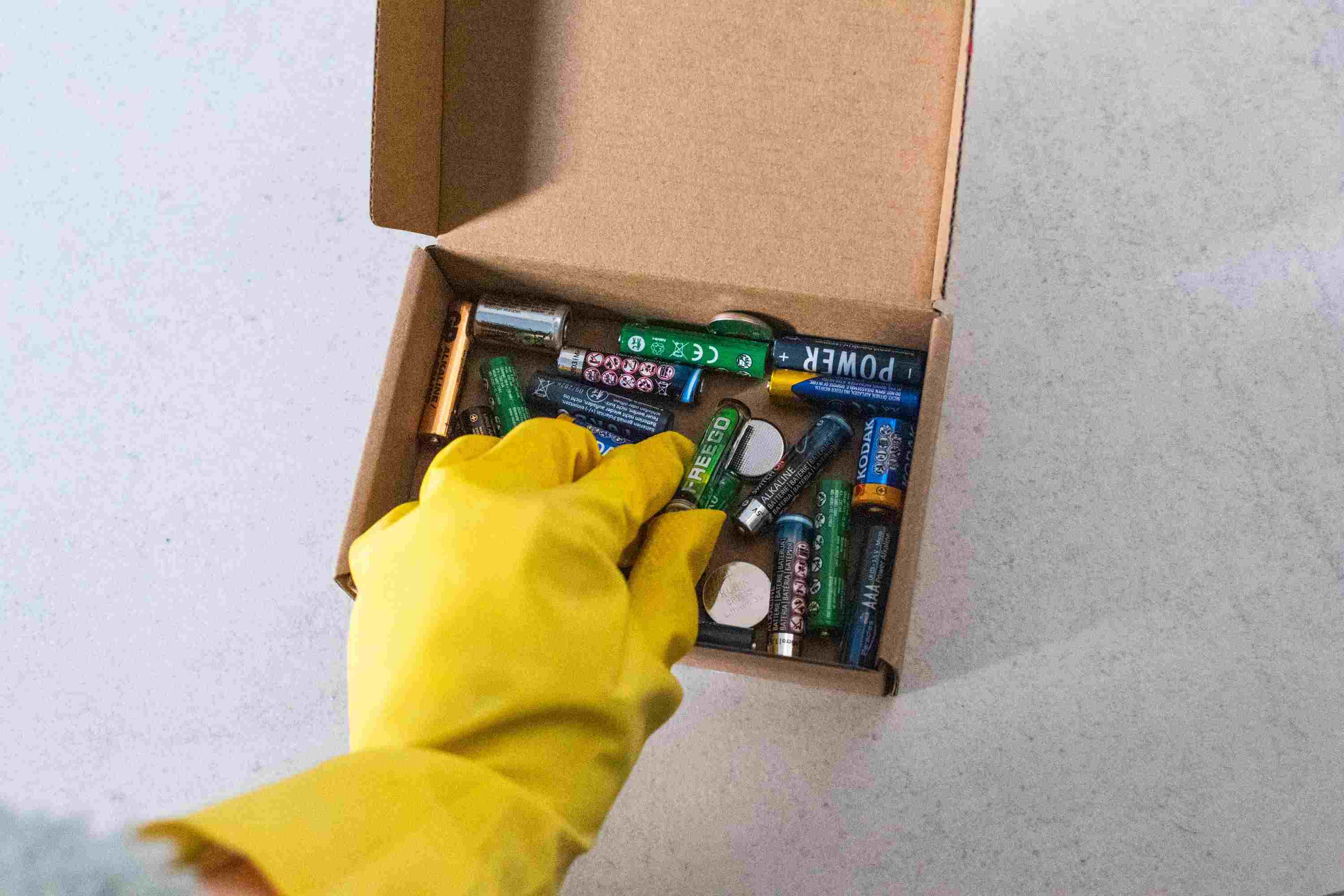
On 12 August 2026, the European Commission issued a draft implementing regulation to accompany the EU Battery Regulation, clarifying the rules for the calculation, verification and documentation of recycled cobalt, nickel, lithium and lead content. The regulatory direction has shifted: EU management of battery recycled materials has officially evolved from simple disclosure of recycling ratios to a full supply chain compliance system that is calculable, traceable and auditable.

As of September 11, 2026, Article 14 of the EU Cyber Resilience Act (CRA, Reg. (EU) 2024/2847) officially enters into force. It brings not just a new regulatory platform or an additional vulnerability reporting form, but a full set of vulnerability and incident response obligations with clear time requirements. In other words, the old pace of \"handling vulnerabilities slowly after discovery\" that enterprises used to follow is being pushed toward a new phase of \"rapid assessment upon discovery, timely reporting, and full traceability throughout the process\".

August 12, 2026 marks the full‑scale application of the EU Packaging and Packaging Waste Regulation (PPWR). Packaging has officially become an independent market‑access threshold for goods exported to the EU. Multiple requirements concerning heavy metals, PFAS, recyclability, Declaration of Conformity (DoC), and EPR registration take effect simultaneously. Non‑compliant goods risk detention, delisting and substantial fines. This article sorts out the scope of application, core compliance obligations, key timelines and actionable checklists for export‑oriented foreign‑trade enterprises for self‑inspection reference.

GB/T 19865‑2024 Safety of Electric Toys came into force on August 1, 2026, fully replacing the long‑implemented GB 19865‑2005. Benchmarked against the international standard IEC 62115:2017, this revision fills many long‑standing regulatory gaps. This update covers more than hardware safety improvements: optical radiation and software reliability are for the first time set as mandatory requirements under the national standard. In parallel, conversion of CCC certificates has been launched. Delayed conversion may lead to certificate suspension or revocation, which will stop products from normal production and shipment.

Many sellers initially suspect product quality defects. However, review of numerous real‑world cases shows that a large number of delistings are not caused by faulty hardware. Instead, sellers are still following outdated compliance workflows and failing to understand Amazon’s latest policies for lithium‑ion‑battery‑powered smart home and consumer electronics.

On 10 August 2026, the European Chemicals Agency (ECHA) re‑included Bisphenol F (BPF) on the SVHC Intention List. The previous proposal for this substance had been withdrawn. This iteration uses the original hazard assessment evidence. Industry analysis indicates a high likelihood that BPF will be formally added to the SVHC Candidate List. Many manufacturers use BPF as a BPA substitute. Enterprises should watch out for risks of regrettable substitution and are advised to conduct supply‑chain screening in advance.
Learn the latest exciting content


Tik Tok