Center Certification & Testing International
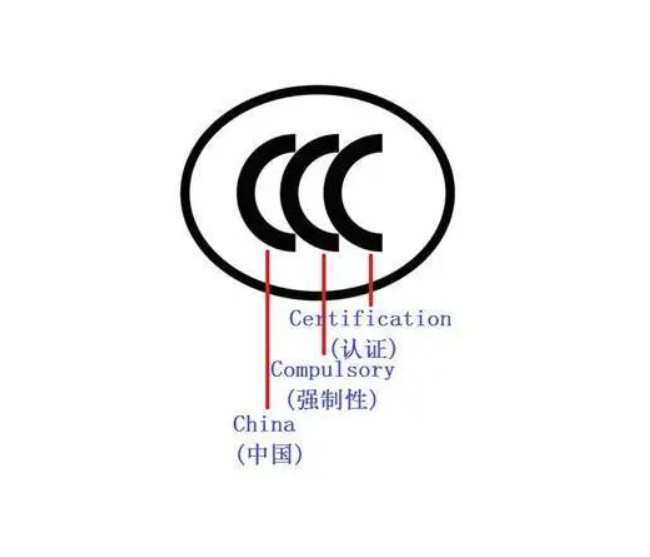
On August 1, 2026, GB/T 4706.1‑2024, the general safety standard for household appliances, came into force. GB 4343.1‑2024, the electromagnetic compatibility standard, took effect on June 1, 2026. With the parallel revision of the two standards, household appliance enterprises shall complete CCC certificate update and product compliance transition.
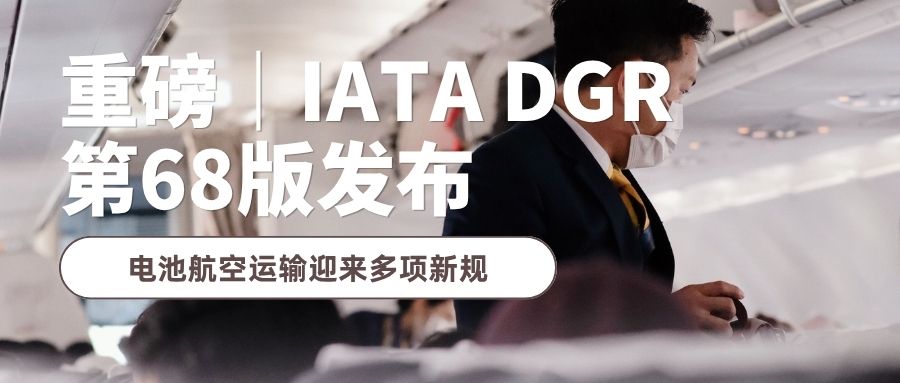
With sodium‑ion batteries and lithium‑sodium hybrid batteries gradually achieving industrial‑scale application, major revisions have been rolled out for international aviation dangerous goods regulations. IATA Dangerous Goods Regulations (DGR) Edition 68 (2027 Version) has been officially released. This regulation incorporates all revisions of the ICAO Technical Instructions 2027‑2028 and revisions from the IATA Dangerous Goods Committee. The new rules not only complete the compliance framework for air transportation of new‑type batteries, but also significantly tighten clauses governing batteries carried by passengers. They will exert direct impacts on battery manufacturers, foreign‑trade exporters, cross‑border logistics providers and airlines. This edition is scheduled to enter into force on January 1, 2027.
Enterprises exporting lithium‑ion and sodium‑ion batteries or engaging in cross‑border logistics, please take note! Recently, the 68th session of the UN Sub‑Committee of Experts on the Transport o...
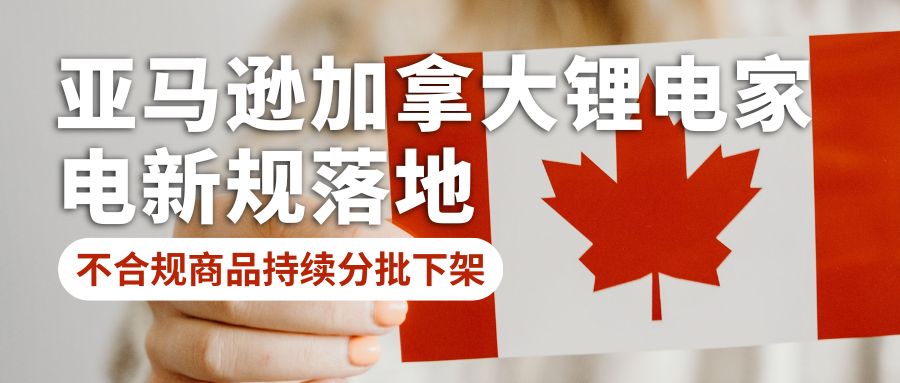
In June 2026, Amazon Canada updated its special compliance policy for lithium‑battery‑powered home appliances. The platform officially enforced these control rules on June 30. ASINs that have not completed compliance verification will be subject to continuous batch delistings until December 7, 2026. The new regulation sets dual testing thresholds for complete‑unit product safety standards, built‑in lithium‑ion batteries and matching chargers. It covers all categories of small lithium‑battery home appliances including cleaning, kitchen, hair‑care, fan, dehumidification and humidification products.

All manufacturers and foreign trade partners exporting to Saudi Arabia take note: The Saudi Standards, Metrology and Quality Organization (SASO) has completed a full digital system upgrade. The long-standing legacy JEEM and IECEE submission channels have been permanently decommissioned, and the Maneh platform is now the sole official entry point for Saudi market access applications.

Chemical supervision in the UK has been drastically tightened after Brexit. In 2026, the UK Health and Safety Executive (HSE) issued multiple new SVHC control regulations. In June, 15 new substances were added to the UK REACH Candidate List, followed by a public consultation on 9 additional substances launched in July. The UK’s post-Brexit new regulatory strategy has been fully rolled out, with frequent list updates becoming routine. Manufacturers and suppliers exporting electronics, textiles, coatings, daily chemicals, lithium batteries and other goods to the UK must attach great importance to compliance risks.

On April 7, 2026, the International Electrotechnical Commission (IEC) officially released the updated standard IEC 61000-6-3:2026, fully replacing the 2020 version. It has become the core compliance basis for EU CE certification and global market access of civilian electronic devices. With the large-scale overseas export of wireless charging, variable-frequency power supplies and IoT smart devices, many manufacturers have recently failed laboratory testing frequently, mainly due to multiple new mandatory test clauses added in this revised standard.
Hair dryers are indispensable small household appliances for every household and hot-selling daily necessities in supermarkets and e-commerce platforms. As supervision over the small home appliance market grows increasingly standardized, product safety and compliance have become core pillars for enterprises to gain a firm foothold in the market. Many manufacturers and sellers of hair dryers frequently encounter operational setbacks such as product removal from shelves, store penalties, returns and compensation claims due to the lack of CCC certification. In fact, CCC certification is far more than a tedious industry formality. It acts as a core safeguard that enables hair dryer products to legally enter the market, evade risks and boost market competitiveness, and is a mandatory qualification for all formal merchants along their business journey.
Learn the latest exciting content

Tik Tok