
Center Certification & Testing International

basic introduction
New energy vehicles refer to the use of unconventional vehicle fuel as the source of power (or the use of conventional vehicle fuel and the use of new on-board power devices), and the integration of advanced technology in vehicle power control and driving, resulting in advanced technical principles and new technologies , The new structure of the car.
New energy vehicles include gas vehicles (liquefied natural gas, compressed natural gas), fuel cell electric vehicles (FCEV), pure electric vehicles (BEV), liquefied petroleum gas vehicles, hydrogen energy-powered vehicles, hybrid vehicles (oil-gas hybrid, oil-electric hybrid) Solar vehicles and other new energy (such as high-efficiency energy storage) vehicles have relatively low emissions.
As of the end of 2010, the number of natural gas vehicles in the world had exceeded 12.67 million, and there were more than 18,200 natural gas filling stations. China's natural gas vehicles are developing rapidly. Among them, LNG (liquefied natural gas) vehicles are growing at an average annual sales rate of more than 20%, and CNG (compressed natural gas) vehicles are growing at an average annual growth rate of more than 30%.
In addition to the detection indicators of ordinary cars, the quality certification of new energy vehicles also has some specific detection standards, such as: defrosting of electric vehicles, demisting of electric vehicles, graphic signs of electric vehicles, safety technical requirements of fuel cell electric vehicles, and electromagnetic radiation intensity , The performance of lithium-ion batteries for electric vehicles, the performance of lead-acid batteries for electric vehicles, and the safety requirements for electric vehicles total 11 items.
examination range
1. Environmental simulation and reliability test:
Thermal shock test, temperature and humidity test, three comprehensive test, salt spray test, composite salt spray test, xenon lamp test, UV ultraviolet test, ozone resistance test, sand and dust test, IP waterproof test, periodic wetting test, condensation dew test, Cooking test, low pressure test, mold test, air tightness test...
2. Mechanical properties test:
Vibration test, impact test, drop test, simulated automobile transportation, push-pull force test, torsion test, collision test, insertion force test...
Third, the photoelectric performance test:
Light source performance testing, light intensity measurement, light source spatial light distribution, light source intermediate vision measurement, lamp junction temperature test and life assessment, luminous flux maintenance rate and life assessment...
4. Failure analysis test:
Metallographic slicing, electrical performance, microscopic observation, scanning electron microscopy, energy spectrum, X-ray, ultrasonic... Analysis and judgment of failure mechanism, judgment of product responsible party.
5. Physical and chemical testing:
Elemental analysis, organic matter analysis, toxic substance analysis, formulation analysis...
6. Battery safety:
Squeeze test, acupuncture test, rollover test, crash test, immersion test, burning test, drop test...
7. Non-standard features:
Large-scale equipment and non-standard equipment can be customized by matching and testing.
New energy vehicle product testing and certification standards
Serial number | standard encdoing | standard name |
1 | GB/T4094.2-2005 | Signs of electric vehicle control parts, indicators and signal devices |
2 | GB/T18384.1-2001 | Electric vehicle safety requirements Part 1: On-board energy storage device |
3 | GB/T18384.2-2001 | Electric vehicle safety requirements Part 2: Functional safety and fault protection |
4 | GB/T18384.3-2001 | Electric vehicle safety requirements Part 3: Protection against electric shock |
5 | GB/T18385-2005 | electric car Dynamic performance experiment method |
6 | GB/T18386-2005 | electric car Energy consumption rate and driving range experiment method |
7 | GB/T18387-2008 | Limits and test methods of electromagnetic field radiation intensity of electric vehicles Broadband 9KHz-30MHz |
8 | GB/T18388-2005 | electric car Type test regulations |
9 | GB/T18488.1-2006 | Motors and controllers for electric vehicles Part 1: Technical conditions |
10 | GB/T18488.2-2006 | Motors and controllers for electric vehicles Part 2: Test methods |
11 | GB/T19750-2005 | Hybrid electric vehicle Type test regulations |
12 | GB/T19751-2005 | Safety requirements for hybrid electric vehicles |
13 | GB/T19752-2005 | Hybrid electric vehicle Dynamic performance experiment method |
14 | GB/T19753-2005 | Energy consumption of light hybrid electric vehicles experiment method |
15 | GB/T19754-2005 | Heavy-duty hybrid electric vehicle Energy consumption test method |
16 | GB/T19755-2005 | Light hybrid electric vehicle Pollutant emission measurement method |
17 | GB/T19836-2005 | Meters for electric vehicles |
18 | GB/T18333.2-2001 | Zinc-air battery for electric road vehicles |
19 | QC/T741-2006 | Car super capacitor |
20 | QC/T742-2006 | Lead-acid batteries for electric vehicles |
21 | QC/T743-2006 | Lithium-ion battery for electric vehicles |
22 | QC/T744-2006 | Nickel metal hydride batteries for electric vehicles |
Our advantage
1. With a professional qualification and experienced expert technical team, we can provide you with professional consultation and services.
2. Have advanced laboratory equipment to ensure the accuracy and reliability of test data.
3. As a third-party testing and certification organization trusted by customers worldwide, we are your certificate of quality.


Australian RCM certification
Label printers entering the Brazilian market, ANATEL certification is an essential passport! It is the recognition of the Brazilian Telecommunications Authority for the safety and compliance of electronic products, without which products cannot be legally sold.
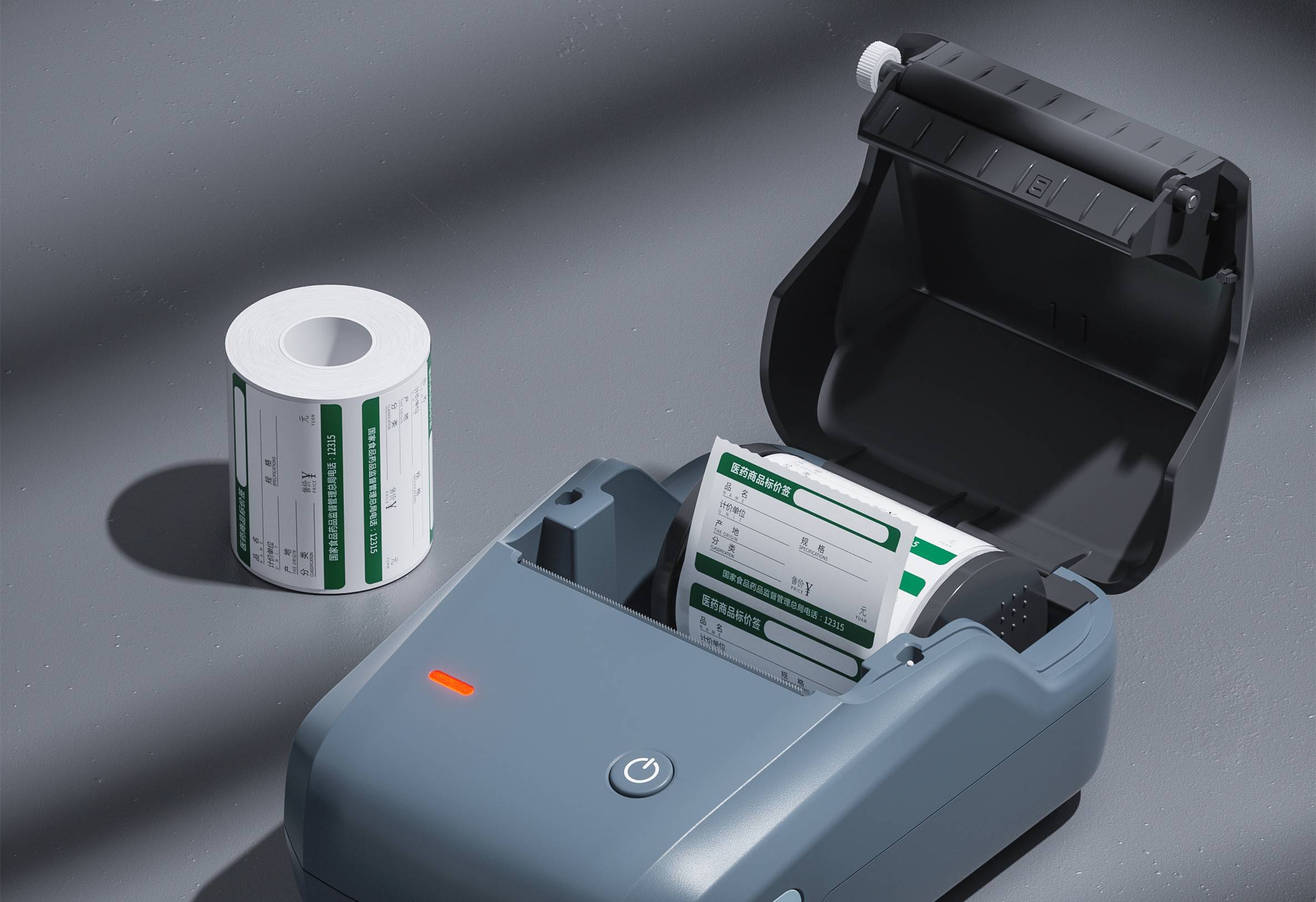
SRRC certification is not only a guarantee of product compliance, but also a key to opening up the market.
New energy vehicles refer to the use of unconventional vehicle fuel as the source of power (or the use of conventional vehicle fuel and the use of new on-board power devices), and the integration of advanced technology in vehicle power control and driving, resulting in advanced technical principles and new technologies , The new structure of the car.
Get a quote

Tik Tok
