Thanks to their small size and high charging efficiency, gallium nitride chargers have become a hit category in the consumer electronics track, drawing numerous manufacturers into the fast‑charging market. Yet many enterprises focus on product R&D and appearance optimization while ignoring compliance access rules for the domestic market. Quite a few newly‑developed products end up being removed from e‑commerce platforms, rejected by offline channels, or even subject to administrative penalties, mostly stemming from missing CCC certification. For enterprises producing and selling GaN chargers, completing CCC certification in advance is a critical prerequisite before products reach consumers.
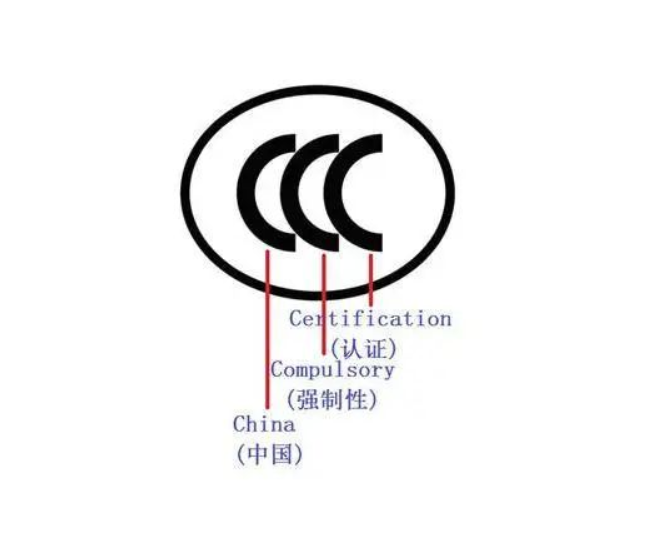
What Is CCC Certification for GaN Chargers
CCC Certification, namely China Compulsory Certification, is a statutory market‑access requirement instead of an optional bonus credential. Many enterprises mistakenly believe that gallium nitride is only a new‑type semiconductor material, so its products can escape regulatory requirements for traditional power supplies. In fact, GaN chargers fall into the power‑adapter category and are listed in the CCC mandatory certification catalogue. A test report alone does not count as market access qualification; an official CCC certificate must be obtained for sales on domestic e‑commerce platforms and in physical stores. Even low‑power mini‑size GaN fast chargers must comply with these mandatory rules — a frequent trap for new‑entrant manufacturers.
CCC Certification Application Process for GaN Chargers
The full certification workflow has clear logic. Following the right approach can greatly cut time losses caused by repeated revisions. First, conduct preliminary product assessment, sort out model specifications and match applicable implementation standards. Second, send samples to designated laboratories for safety testing and carry out product rectification for failed test items. Third, submit enterprise qualifications and product technical documents to the certification body. Fourth, arrange an on‑site factory audit to verify production management and quality‑control capabilities. The CCC certificate will be granted after all reviews pass. Obtaining a certificate is not permanent; annual surveillance audits are required to keep it valid.
Core Values of the Certification
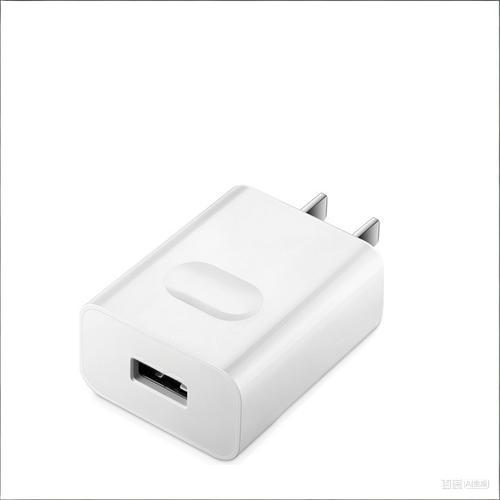
First, it enables legal market access. Major e‑commerce platforms and offline dealers verify CCC certificates. Without one, enterprises may suffer losses including product delisting, confiscation and fines. Second, it lowers after‑sales risks. GaN fast chargers cover a wide power range. Potential hazards such as overheating and short circuits will be identified during certification, reducing product malfunctions and customer complaints. Third, it strengthens market competitiveness. Products with CCC certification gain more trust from channel partners and end‑users, helping enterprises secure more orders. Fourth, it avoids sunk costs. Enterprises can prevent heavy losses from completed mould‑opening and mass‑produced goods that cannot be sold and end up as overstocked inventory.
All in all, to establish a solid position in the domestic market for GaN chargers, CCC certification is no extra burden but a must‑have condition for market expansion. Enterprises should arrange certification work as early as possible so that compliant products can be smoothly launched onto the market.