Against the backdrop of a booming digital consumer market, charging adapters serve as essential supporting accessories for mobile phones and small household appliances, enjoying strong market demand. Many enterprises complete product development and make plans to launch goods on e‑commerce platforms or supply offline channels, only to stumble over compliance requirements. There are frequent cases where charging adapters get platform‑delisted, shipments are detained, or businesses face administrative penalties due to missing certifications. Numerous manufacturers hold vague perceptions of CCC certification: they are unclear about which products need certification, what application procedures entail, and the underlying commercial value of certification. This article demystifies CCC certification for charging adapters in plain‑spoken terms.
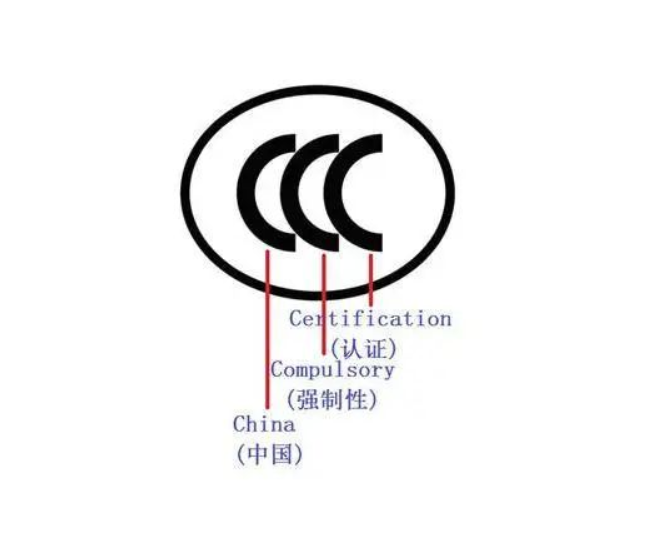
What Is CCC Certification for Charging Adapters
CCC stands for China Compulsory Certification. Charging adapters are listed within the mandatory certification catalogue. Any such product sold on China’s domestic market or imported into China must hold a valid CCC certificate; this is not an optional measure.
Essentially, this certification verifies the minimum safety baseline of charging adapters, focusing on identifying safety hazards including electric leakage, overheating‑triggered fire risks and insulation failure. Many merchants mistakenly believe small power adapters do not require certification. However, regulators and major sales platforms will not relax relevant standards. Charging adapters without valid certificates count as non‑compliant goods and are prohibited from circulation and sale.
CCC Certification Procedures for Charging Adapters
The full set of procedures is less complicated than widely assumed and consists of several key links. First, sort out product specification information and prepare prototypes matching product design. Next, send prototypes to designated laboratories for safety‑item testing to spot potential product safety defects. After all test items pass, compile enterprise documents and formally submit a certification application. A factory audit will then be arranged to inspect the enterprise’s production control and material management capabilities, ensuring mass‑produced products maintain consistent quality with submitted test samples. Once all reviews are passed, the CCC certificate will be issued. Subsequent certificate maintenance is required to sustain its validity.
Core Value of Certification
The most direct benefit of obtaining CCC certification is risk avoidance. Only with a valid certificate can products gain legal market access, preventing losses such as cargo confiscation, heavy fines and store suspension.
Furthermore, it acts as a stepping‑stone to expand sales channels. Whether for e‑commerce platform onboarding, supermarket entry, cooperating with major clients or participating in procurement projects, a CCC certificate serves as a basic access prerequisite. Certified products win greater trust from purchasers.
Meanwhile, it eases enterprises’ after‑sales pressure. CCC‑validated charging adapters have proven safety performance, reducing quality disputes caused by electric leakage and overheating while safeguarding brand reputation.
Many enterprises worry about cumbersome certification workflows. By selecting appropriate service partners, businesses can complete the whole process efficiently and accelerate product roll‑out to market.