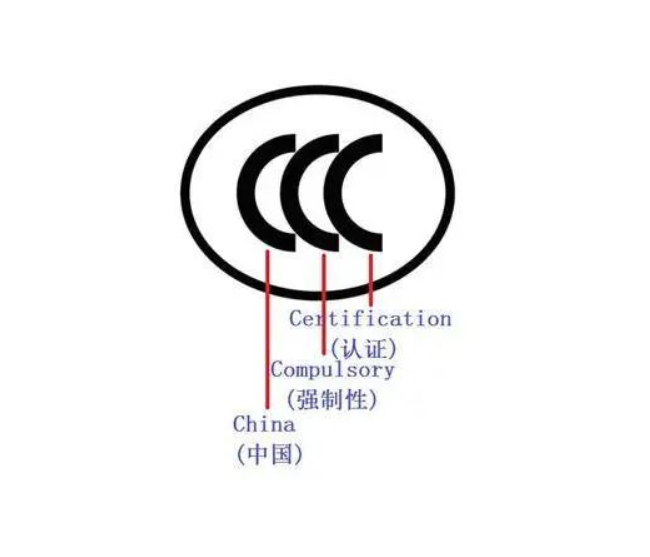
With the growing popularity of mobile office and outdoor travel scenarios, power banks have become a daily necessity for consumers. While the market scale expands steadily, regulatory rules and channel access thresholds are also tightening simultaneously. As products listed in China’s compulsory product certification catalogue, power banks placed on the market without CCC certification will not only suffer direct operational losses such as platform delisting and regulatory fines, but also erode the long-established market reputation of brands. For manufacturers and brand owners, completing CCC certification layout as early as possible is not only an essential path for compliant operation, but also a fundamental step to build market competitiveness.
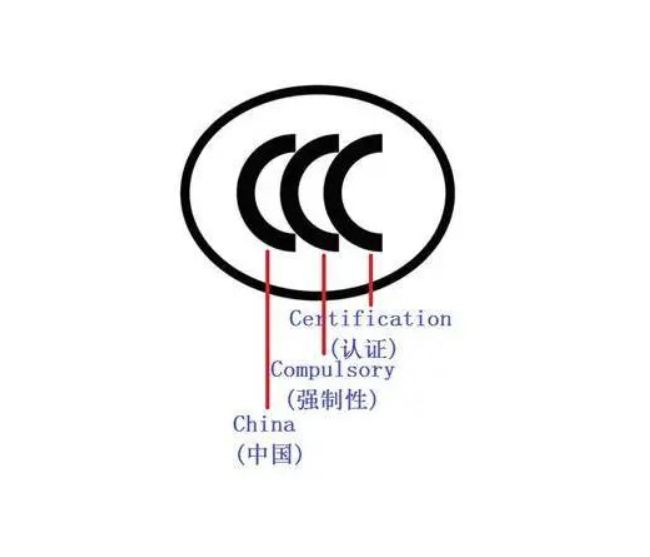
Introduction to CCC Certification for Power Banks
CCC certification for power banks is a core part of China’s compulsory product certification system. It is formulated for portable power bank products with electric energy storage and external output functions. The core implementation standard is GB 4943.1-2022 Safety of Information Technology Equipment, which also covers electromagnetic compatibility testing requirements. Its scope of application includes various civil and commercial power banks and portable mobile power products.
Different from voluntary honorary certifications, CCC certification has legal mandatory attributes: all corresponding power bank products manufactured, sold or imported within China must obtain the certification certificate and affix the CCC mark in a standardized manner before entering the market. Daily sampling inspections by market supervision authorities, qualification verification on e-commerce platforms, and entry audits for offline channels all take CCC certification as a core verification item. Uncertified products, once found, will face multiple penalties including fines, product seizure and public exposure.
Application Process for CCC Certification
The entire certification process can be divided into four core links with a clear and implementable rhythm: First, application initiation and document preparation. Enterprises sort out technical materials such as product specification parameters, circuit design documents and key component qualifications, submit certification applications to qualified certification bodies, and complete the information filing of product models and production bases. Second, the type test stage. Enterprises send qualified samples to designated laboratories, which conduct full-item tests including safety performance and electromagnetic compatibility in accordance with standards, and issue a compliant type test report. Third, factory quality capability audit. The certification body arranges auditors to go to the production site to conduct on-site verification of the enterprise’s incoming material control, production process, finished product inspection and quality traceability system. Fourth, certificate issuance and post-certification maintenance. After all links pass the audit, the official CCC certification certificate can be obtained, and the continuous validity of the certificate is maintained through annual supervision audits in the follow-up.

Core Value of CCC Certification
The most direct value of handling CCC certification for power banks is to establish the underlying logic of compliant operation, completely avoid operational risks caused by regulatory sampling and platform delisting, and ensure the normal sales rhythm of products across online and offline channels.
Second, it provides strong endorsement for brand trust. The CCC mark is an authoritative safety label widely recognized by domestic consumers. Labeled products can effectively reduce users’ purchase concerns and quickly build differentiated competitive advantages in a homogeneous market.
Meanwhile, CCC certification is a mandatory qualification for settling in mainstream e-commerce platforms, large chain stores and government-enterprise procurement supply chains, and an essential access voucher for brands to expand sales boundaries and increase market coverage.
In addition, the certification process will also promote enterprises to improve their internal quality control systems, reduce potential product safety hazards from the source, lower the probability of after-sales quality disputes, and lay a solid foundation for the long-term stable development of brands.