In the global lithium battery trade compliance landscape, UL2054 is one of the few safety standards that can simultaneously cover the review of North American e-commerce platforms, offline channel purchase contracts, and brand supply chain. It was established by the Underwriters Laboratories and has been continuously updated. It has long been used as the underlying reference for risk assessment of portable battery products. Unlike general performance tests, the execution logic of UL2054 is more inclined towards failure engineering: it does not consider "normal use" as the condition for satisfaction, but takes "whether it loses control under extreme abuse" as the core of judgment. Therefore, it can simultaneously become a technical interface recognized by both buyers and sellers in three aspects: battery cell procurement, complete machine integration, and after-sales accountability.
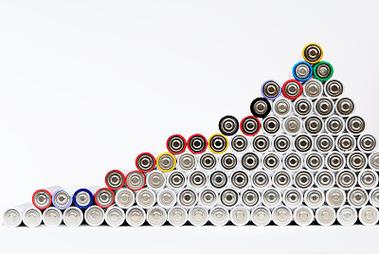
1. What UL2054 Certification Verifies
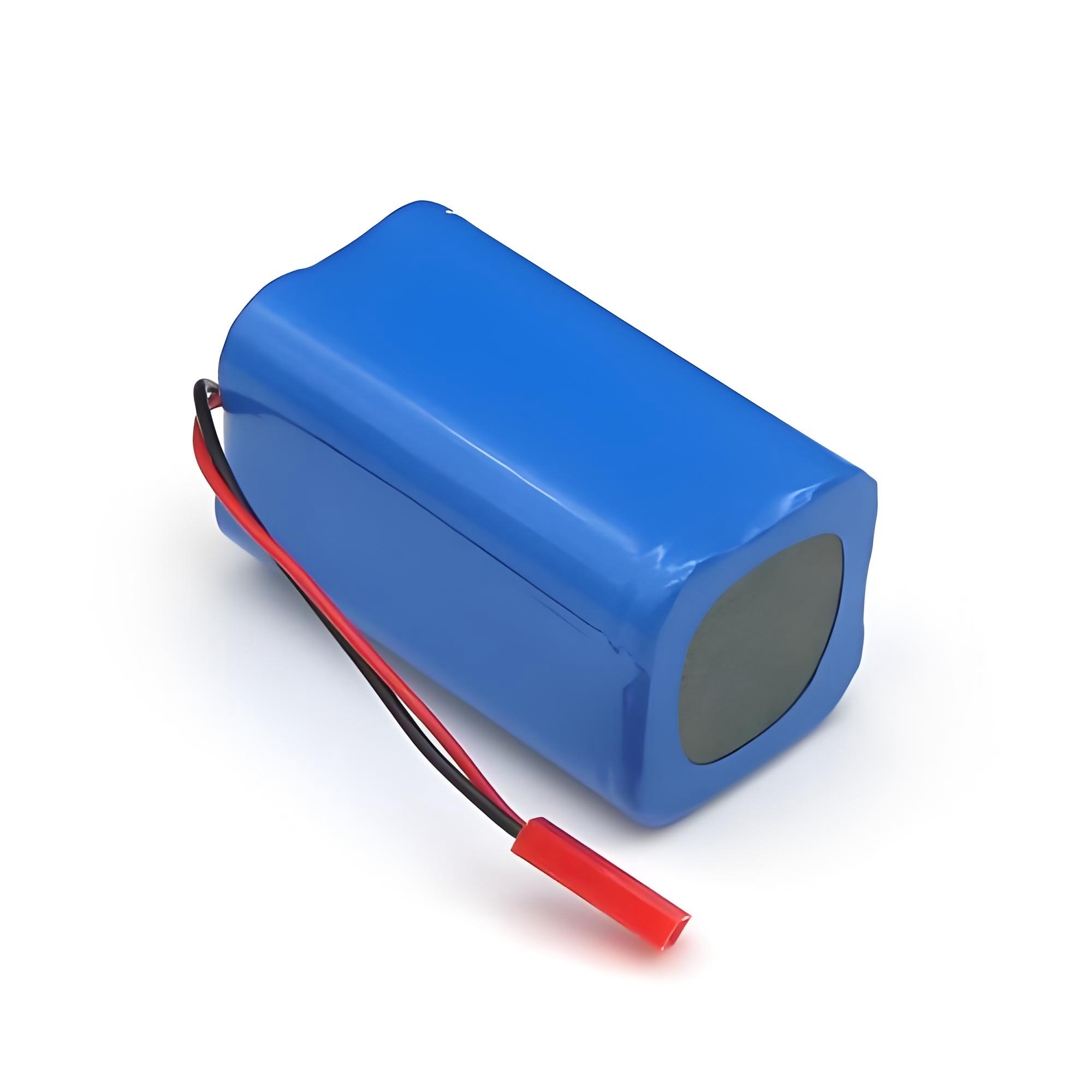
UL2054 was developed by UL and is mainly aimed at the safety assessment of household and commercial battery packs. It does not focus on a single component but treats the battery pack as a system and tests it in normal use and abnormal abuse scenarios. Tests such as overcharge, overdischarge, short circuit, temperature rise, vibration, shock, drop, and temperature change are conducted to observe whether there is fire, explosion, leakage, or shell failure.
Industry experts often interpret it in conjunction with UL1642: Battery cells are first verified according to UL1642, and then the battery pack is evaluated for protection circuits, structure, materials, and assembly according to UL2054. In other words, a qualified battery cell does not necessarily mean the battery pack is naturally passed.
2. The Process of Obtaining UL2054 Certification
The first step is the applicability judgment. Depending on the product's usage, series-parallel connection structure, shell material, and protection plan, the test arrangement will change.
The second step is the preparation of materials. The more complete the specifications, BOM, circuit schematic, PCB diagram, structural diagram, battery cell specifications, and existing certificates are, the smoother the progress will be.
The third step is to submit the application and send samples. Qualified laboratories conduct standard tests and record key safety performance.
The fourth step is rectification and re-testing. If there are non-compliance items, first locate whether it is a problem with protection parameters, structural design, or material, and then make targeted corrections. This is often more efficient than blindly re-submission.
The fifth step is obtaining certification and maintenance. After passing, corresponding reports/certificates can be obtained; some projects also require subsequent tracking inspections to ensure consistency between continuous production and submitted samples. The cycle depends on the complexity of the product, the quality of the materials, and the number of rectifications.
3. The Core Value of UL2054 Certification
First, it brings market trust. When North American customers see the third-party verification results, their decision-making will be more assured, and communication costs will decrease.
Second, it adapts to channel rules. Platforms, supermarkets, brand procurement or bidding projects often use safety certification as a screening condition. Pre-arranging can reduce temporary passivity.
Third, it shifts risks forward. The overheating, short circuit, and mechanical damage hazards exposed by the tests can be corrected before the large-scale product launch, reducing the probability of recalls, complaints, and even lawsuits.
At the same time, it creates a competitive difference. When the performance of similar products is close, the safety endorsement will become a reason for customers to place orders.
Finally, it constrains the supply chain. Battery cells, protection boards, assembly processes are all included in the verification, which helps stabilize quality and supplier management.
If your lithium battery pack is planning to export to North America or needs to connect with brand customers with strict compliance requirements, UL2054 should be done as early as possible. Conducting an applicability standard assessment first, then preparing materials and samples, is usually more time-saving than blindly sending for testing. If you need to apply for or pre-approve, start communication from product specifications, usage, and export targets to get a clear path from professional institutions.