Center Certification & Testing International
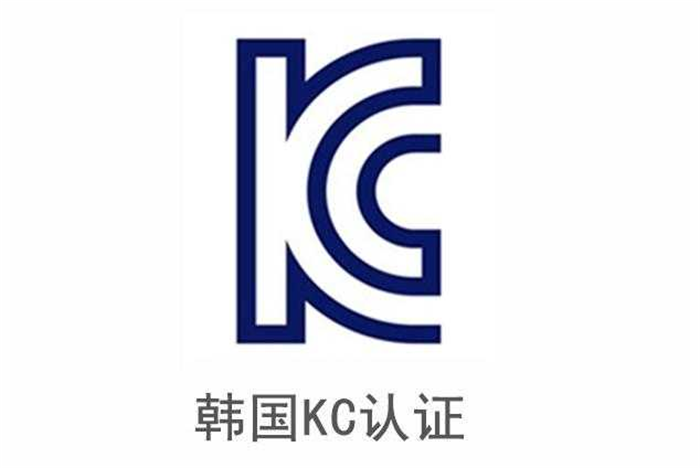
按摩器越来越便携,内置锂电池几乎成了标配。可一旦准备出口韩国,整机能换包装、能改插头,电池合规却很难绕过去。韩国对电池安全监管严格,KC认证往往是海关、渠道商和电商平台共同盯住的一环。没有它,货物可能被扣、链接可能下架、订单可能中止。与其临门一脚再补课,不如在研发和备货阶段就把KC认证排进日程。

The neck fan is small in size and its usage scenarios are close to the human body. The safety performance of the built-in battery naturally becomes the focus of attention for the brand, the channel, and overseas buyers. Especially when the product goes to cross-border e-commerce, supermarket procurement, or overseas agency systems, customers often ask: Has the battery obtained CB certification? This certificate is not only a test proof but also an important material for communicating international market access and shortening the review cycle. For neck fan battery enterprises, planning CB certification in advance is often more从容 than supplementing materials at the last minute when placing orders.
The makeup mirror appears as a small beauty accessory, but when it reaches the export stage, the battery is often the part that the Korean purchasing party asks about first. Especially for makeup mirrors with charging, battery life, and portability features, the safety compliance of the built-in lithium battery directly affects customs clearance, platform listing, and customer acceptance. The KC certification is precisely a safety threshold established for the Korean market access. Understanding it in advance saves more time than waiting for samples to be returned and materials to be repeatedly submitted.
With the continuous expansion of the global consumer electronics, portable energy storage and smart home markets, polymer batteries have become core supporting components due to their lightweight and high energy density characteristics, and their overseas demand continues to rise. However, safety access standards vary across national markets. If enterprises apply for local certifications one by one, they will not only incur repeated test costs, but also prolong the product launch cycle and miss market windows. Against this background, CB certification has become an efficient solution for polymer battery enterprises to access the global market. With the advantage of one test and mutual recognition by multiple countries, it has become a compliance standard for overseas enterprises.
Amid the global wave of new energy mobility, electric bicycles have become one of the fastest-growing market segments, and the international transport compliance of their power batteries is becoming a critical part of enterprises’ overseas expansion. Due to their inherent chemical properties, lithium batteries are generally classified as Class 9 dangerous goods by regulatory authorities and carriers worldwide during transportation. Any compliance oversight may directly lead to cargo detention, return shipment or even heavy penalties. UN 38.3 certification is the core compliance document to clear this hurdle, and also a \"hard currency\" for enterprises to successfully enter the international market.
As the industries related to consumer electronics, electric mobility, energy storage, etc. in Taiwan continue to thrive, the market demand for battery products has been increasing year by year. However, many people tend to overlook that Taiwan has clear mandatory compliance requirements for imported battery products. Every year, many merchants encounter situations where their goods are detained, forcibly returned, or face heavy fines due to the lack of corresponding certifications, resulting in wasted costs and business opportunities. To smoothly and successfully enter the Taiwan battery market, BSMI certification is the entry voucher that must be obtained first.
As the cross-border home appliance market continues to heat up, vacuum cleaners, with their high demand, have become a popular category in the EU market, especially the models with handheld wireless and intelligent connectivity features are favored by consumers. However, many overseas merchants have encountered difficulties such as goods being detained, products being removed from shelves, and even hefty fines. The root cause of these problems is mostly the lack of the mandatory CE-RED certification required by the EU market. For vacuum cleaner brands and merchants who want to deeply penetrate the EU market, obtaining CE-RED certification is not only the first step towards compliance but also a core prerequisite for avoiding risks and steadily expanding sales.
The smart‑glasses segment is booming with expanding use cases such as AR interaction, activity tracking and office productivity improvements. The Canadian consumer‑electronics market represents a key overseas destination for domestic Chinese brands. Nonetheless, many manufacturers encounter hurdles during product distribution: RCM certification is compulsory for smooth customs clearance and access to online and offline retail channels in Canada. Insufficient early‑stage compliance planning often leads to cargo seizure, product delisting and missed sales seasons, slowing overseas‑expansion momentum.
Learn the latest exciting content

Tik Tok