
Center Certification & Testing International
Project Introduction
Preventing air pollution in cars and improving air quality in cars are new issues facing the development of automotive technology today. It is reported that the limit value of air pollutants in cars will be released soon, and the problem of internal pollution in cars has become a hot spot for consumers. Sometimes there are some unknown odors in the car, even the instruments can not be recognized, so there is an industry test project in the automobile manufacturing industry-odor test.
Odor (odor) refers to all the odors emitted by automobile interior parts, which can intuitively reflect the quality of automobile interior parts, based on the subjective evaluation of human sense of smell and comfort. It should be noted that some of the more unpleasant gases are not necessarily harmful, while some of the more smelly gases are not necessarily harmless. The odor in the car has now become a consideration when buying a car. Therefore, the car manufacturer requires its suppliers to carry out odor tests on materials and parts to ensure that the odor in the car does not cause consumer annoyance.
Standard reference
The interior of a modern car contains many different materials, such as plastic. It also contains many chemical substances. Although most of these substances are "enclosed" within the material, a small amount will evaporate, forming the typical smell of new cars. Various world-renowned automobile companies have developed their own corporate standards to monitor these substances and their possible odor in the cabin. In order to create a healthy interior and exterior environment for everyone, companies have launched their own odor test standards, such as:
· Volkswagen vw50180
· Volkswagen PV3900
· Chery Q/SQR.04.103-2004
· General GME60276
· Toyota TSM0505G
· German Automobile Industry Association VDA270
· Volvo VCS1027, 2729
Reference for other testing standards:
Odor test in automotive interior parts VDA 270:2016
Thermal odor test of insulating materials SAE J1351:2008
Non-metallic material odor standard TSM 0505G:2014
Passenger compartment parts: odor test PV 3900-2000
General Standard for Parts Odor of Automobile Car MES CF 055A:2002
Indoor odor test FLTM BO 131-03:2011
Determination of odor of interior materials GMW 3205:2016
Test method for smell of interior materials MS 300-34E:2016
Automobile interior parts odor test method BAS 455-2015
Automotive material odor requirements QJ/GAC 1105.004-2015
Automobile material odor evaluation method QJ/GAC 1510.006-2017
Non-metallic materials odor test methods and requirements TQM 0505-2012
Test method for odor in automotive materials VCS 1027, 2729-2016
Auto parts assembly odor test method Q/BYDQ-A1901.1373-2016
Auto parts odor test method Q/BYDQ-A1901.404-2015
Technical requirements for smell of interior parts Q/BYDQ-A1901.408-2015
Evaluation of odor intensity-passenger compartment and luggage compartment D10 5517:2009

Label printers entering the Brazilian market, ANATEL certification is an essential passport! It is the recognition of the Brazilian Telecommunications Authority for the safety and compliance of electronic products, without which products cannot be legally sold.
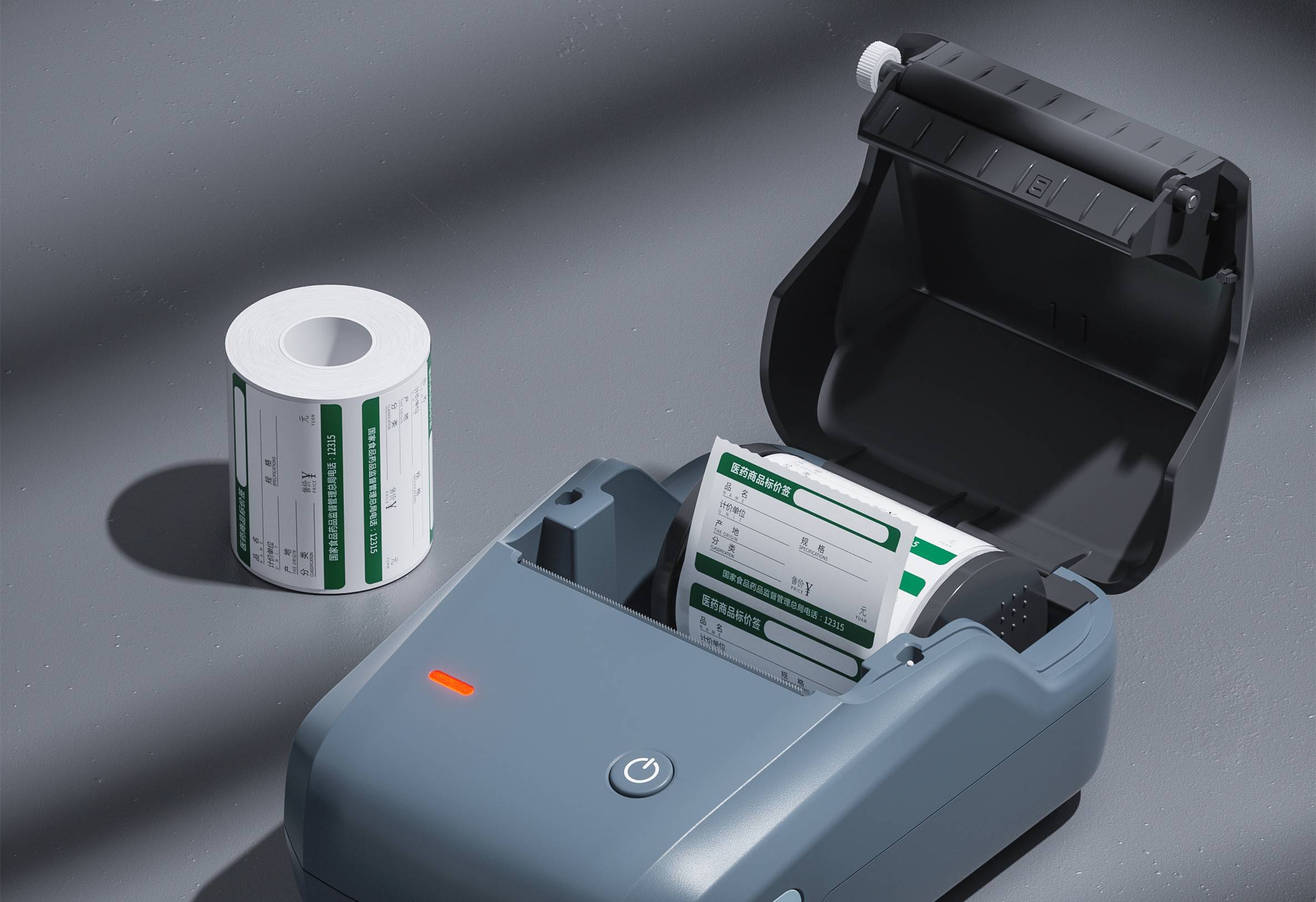
SRRC certification is not only a guarantee of product compliance, but also a key to opening up the market.
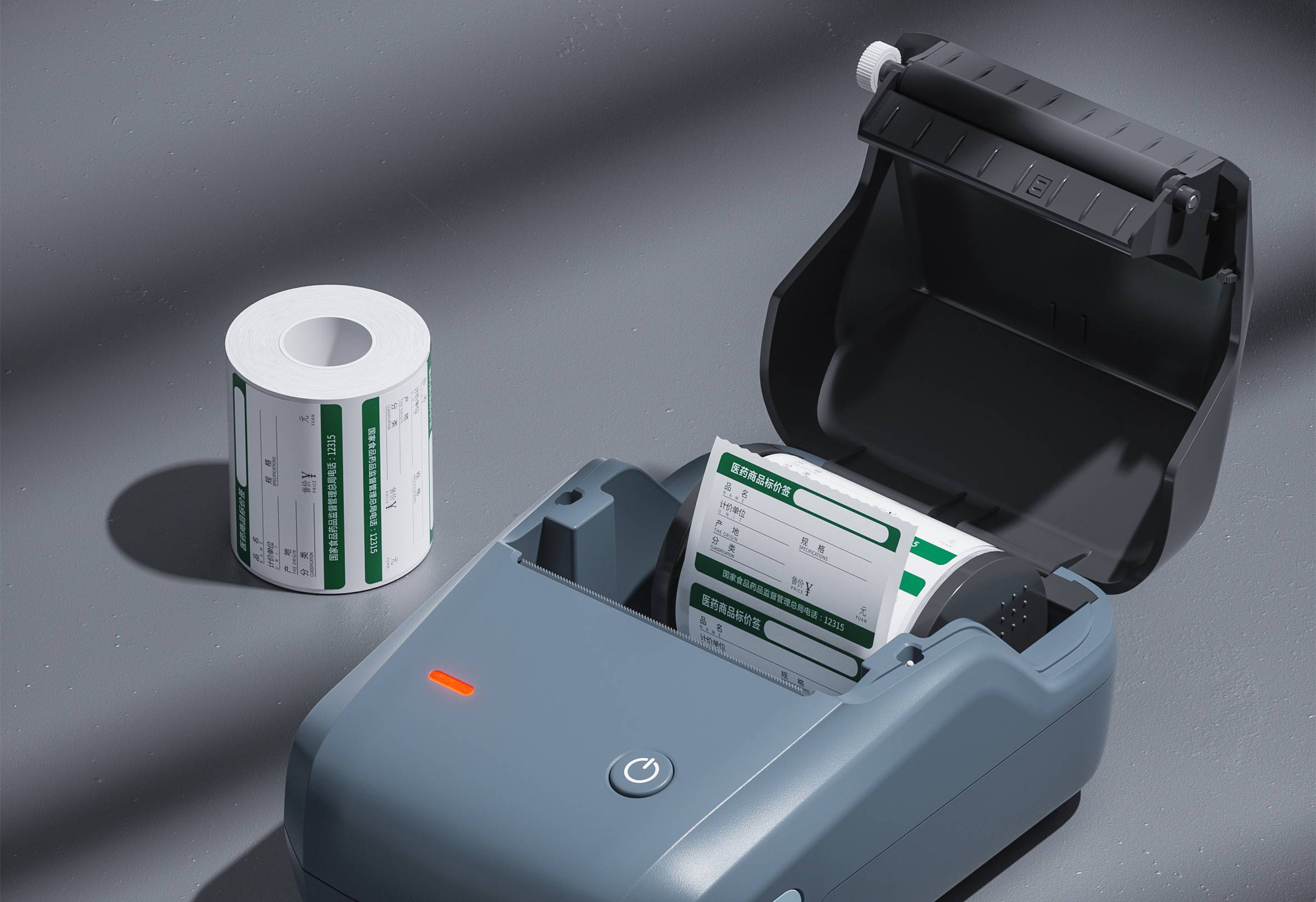
FCC ID certification is a mandatory certification for electronic products by the Federal Communications Commission (FCC) in the United States, and it is essential for label printers to obtain this certification.
Preventing air pollution in cars and improving air quality in cars are new issues facing the development of automotive technology today. It is reported that the limit value of air pollutants in cars will be released soon, and the problem of internal pollution in cars has become a hot spot for consumers.
Get a quote

Tik Tok
