As exports of home‑monitoring and commercial security cameras keep rising, many domestic manufacturers have set their sights on the South Korean market. However, many enterprises have encountered pitfalls: large‑batch goods are detained at South Korean ports, and e‑commerce platform settlement applications get rejected directly. Fundamentally, most such issues stem from ignoring South Korea’s mandatory market‑access requirements and failing to complete KC certification for cameras. Many enterprises cannot tell the difference between ordinary test reports and official certifications, suffering unnecessary economic losses such as cargo detention, warehousing costs and product returns. KC certification is an unavoidable requirement for cameras to achieve smooth sales in South Korea.
What is Korean KC Certification for Cameras?
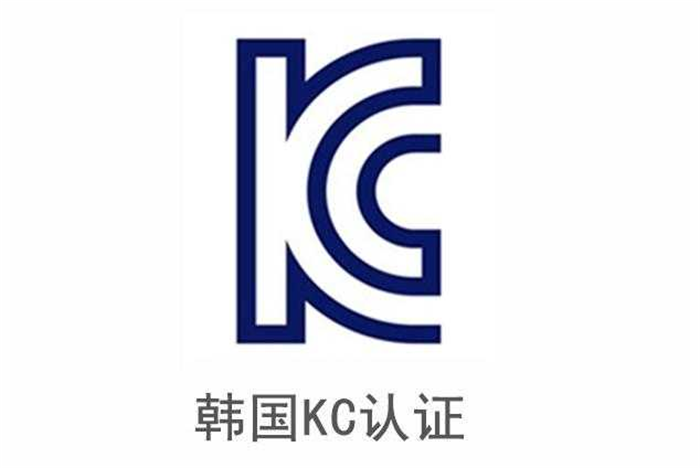
KC Certification is an official market‑access system implemented by South Korea, and cameras are classified as regulated electrical and electronic products. Whether home‑use network cameras or industrial security cameras, KC certification must be obtained for circulation and sales within South Korea.
A common misunderstanding among manufacturers is that third‑party test reports are enough for exporting to South Korea. In fact, ordinary test reports are not equivalent to KC certification. Products are only eligible for compliant sales after acquiring the officially‑recognized KC certificate and printing the KC mark on product bodies. Products without KC certification will fail customs clearance and are banned from sale in physical stores and local e‑commerce platforms.
KC Certification Application Process
The whole certification process is not complicated. Enterprises may entrust service providers to handle it and reduce troubles from cross‑regional communication.
First, conduct preliminary assessment, verify camera specifications and parameters, confirm the corresponding certification category, and organize basic materials such as product manuals and schematic diagrams. Second, send samples to compliant laboratories for designated test items. After all tests are passed, submit the full set of documents to South Korean certification bodies for review. A KC certificate will be issued upon review completion, and the KC mark shall be printed on product housings. Post‑certificate maintenance is also required; annual surveillance audits shall be finished on schedule to keep the certificate valid.

Core Values of KC Certification
First, guarantee smooth customs clearance. KC certification is a mandatory condition for customs release, fundamentally avoiding risks of cargo detention and return.
Second, prevent penalty risks. Enterprises whose non‑compliant products flow into the market may face fines and forced product delisting.
Third, enhance market competitiveness. The KC mark is a widely‑accepted compliance symbol among South Korean consumers and a hard threshold for settling into major e‑commerce platforms.
Fourth, cut trial‑and‑error costs for overseas expansion. Completing certification before shipment prevents heavy economic losses caused by non‑compliance discovered only after large‑volume goods are exported.
For domestic enterprises unfamiliar with South Korean regulations, professional agency services simplify document coordination and test communication, accelerate certificate acquisition, and help cameras quickly capture market share in South Korea.