Against the backdrop of expanding markets for energy storage batteries, electric vehicle power batteries and built-in lithium batteries for digital products, lithium battery manufacturers are facing growing sales hurdles: forced product delistings from online stores, entry bans from offline supermarkets, goods seized by market supervision authorities during circulation, and even hefty fines. The root cause of most such issues lies in the failure to apply for mandatory CCC certification for lithium batteries. Many manufacturers mistakenly believe that products can be launched to market as long as they meet performance standards, yet they overlook national mandatory access standards and lose orders unnecessarily. This article provides an easy-to-understand full overview of lithium battery CCC certification and outlines tangible business benefits brought by certification acquisition.
I. Basic Introduction to Lithium Battery CCC Certification
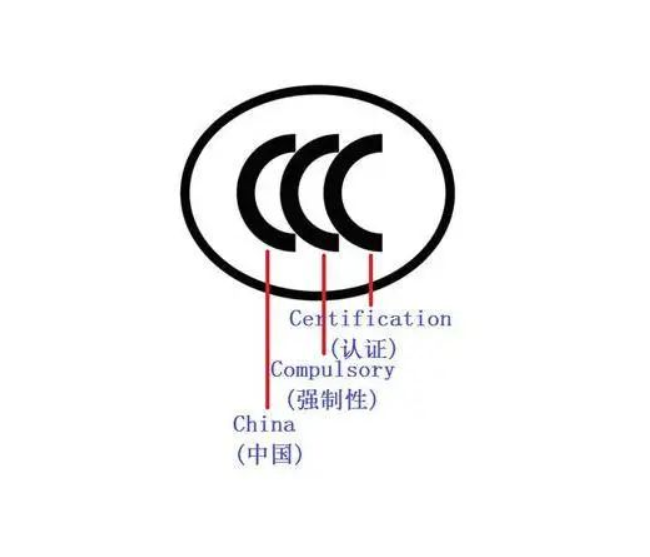
CCC certification is a mandatory market access qualification for domestic sales in China. As high-risk electrified products, lithium batteries are included in the mandatory certification catalogue. Almost all mainstream energy storage, power and portable lithium battery products must hold valid certificates before production and sales. Distinct from ordinary product test reports, CCC certification covers not only safety performance testing of batteries, but also official full-scale recognition of product design, production line management and finished product quality inspection. If enterprises produce or circulate uncertified lithium batteries, regulatory authorities have the right to seize inventory, order production suspension and rectification, while e-commerce platforms will directly remove relevant products, resulting in direct economic losses.
II. Simplified Application Process for Lithium Battery CCC Certification
The overall certification process has low entry barriers, and partnering with professional certification agencies can significantly shorten the certification cycle.
1、Conduct safety testing on battery samples; rectify and optimize defective cells or protection circuit boards if hidden safety hazards are identified.
2、Collate enterprise credentials, product drawings and other materials for submission to certification bodies for acceptance review.
3、Arrange auditors to conduct on-site factory visits and verify production quality control systems.
Once all review phases are passed, the official CCC certificate will be issued. After certification, only annual simplified surveillance audits are required to maintain long-term certificate validity. The standardized whole process requires minimal manpower input from enterprises and delivers hassle-free certification services.

III. Core Value of Acquiring Lithium Battery CCC Certification
1、Enable legal operation and fully eliminate operational risks including regulatory penalties and detained goods, ensuring worry-free production and sales.
2、Expand sales channels: CCC certificates serve as a mandatory cooperation threshold for online e-commerce platforms, offline wholesale markets and project bidding; certified products allow enterprises to access more major clients.
3、Boost brand credibility: Distributors and consumers prefer battery products with official safety certification, lifting product premium margins.
4、Support long-term corporate development: Rigorous certification audits force factories to refine quality control systems, reduce after-sales incidents such as battery fire and swelling, and cut after-sales costs.
In summary, lithium battery CCC certification is not an extra expense for enterprises, but an essential "market pass" to enter the lithium battery industry. Early certification allows manufacturers to secure market orders ahead of competitors and stabilize long-term operating profits.