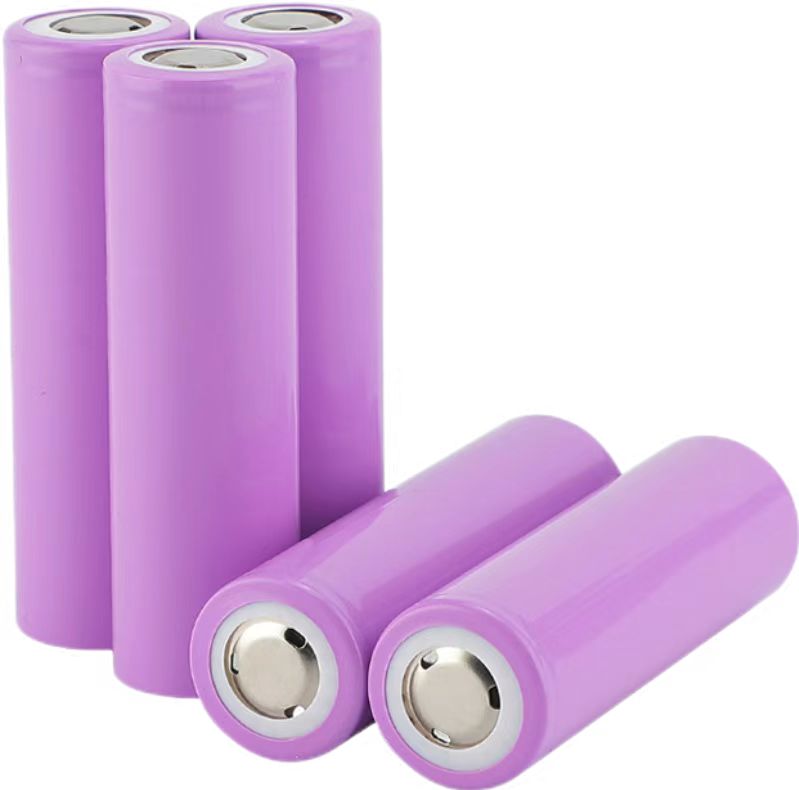
Lithium-ion batteries are widely used in smartphones, laptops, drones, new energy vehicles and other electronic products due to their high energy density, light weight and long battery life. However, lithium batteries have special chemical properties and are prone to short circuits, overheating, fire or explosion during long-distance logistics due to extrusion, temperature changes or vibration. Therefore, UN38.3 Certification is mandatory for lithium batteries to be transported internationally by air or sea, serving as a rigid standard for safe and compliant overseas shipment.
1. Why is UN38.3 Certification Mandatory for Lithium-Ion Batteries?
UN38.3 is a mandatory testing standard specifically for lithium-ion batteries under the UN Recommendations on the Transport of Dangerous Goods. Its core purpose is to simulate extreme transportation conditions, verify battery stability through rigorous tests, and minimize transportation safety risks. For battery manufacturers and export enterprises, UN38.3 Certification is a globally recognized access credential. Lithium batteries without this certification cannot be transported cross-border, directly blocking overseas sales channels and leading to cargo seizure, customs rejection and heavy fines.
2. Required Documents for UN38.3 Certification of Lithium Batteries
To ensure efficient testing, enterprises must prepare complete application materials in advance:
1、Testing commission application form, with truthful basic information (enterprise name, contact details, address, etc.)
2、Product specification, clearly marking core parameters (battery voltage, capacity, dimensions, etc.)
3、Sufficient testing samples: usually 30 battery cells and 18 finished battery packs (quantity can be adjusted by battery type)
3. Standardized UN38.3 Certification Process
The certification process is standardized and simple for all battery enterprises:
1、Select a qualified third-party testing institution and submit the certification application.
2、Submit full documents, pay certification fees and wait for preliminary document review.
3、Send battery samples to laboratories for eight rigorous tests: altitude simulation, temperature cycling, vibration, shock, external short circuit, overcharge, forced discharge and impact.
4、The laboratory compiles test data to issue a report, which is reviewed by professionals.
5、A UN38.3 Certification certificate is formally issued after all samples pass tests.
4. Core Value of UN38.3 Certification for Enterprises
Compliance: Fully meets international transportation regulations, avoiding customs interception and administrative penalties.
Safety: Eliminates substandard batteries through destructive tests, reducing fire and explosion risks and property losses.
Market: Serves as an authoritative proof of product safety, meeting overseas buyers’ audit requirements, enhancing brand credibility and international competitiveness, and helping expand global trade.
UN38.3 Certification is a basic threshold for cross-border circulation of lithium-ion batteries and a key measure to control transportation safety. Completing certification in advance avoids compliance risks and lays a foundation for long-term overseas development.