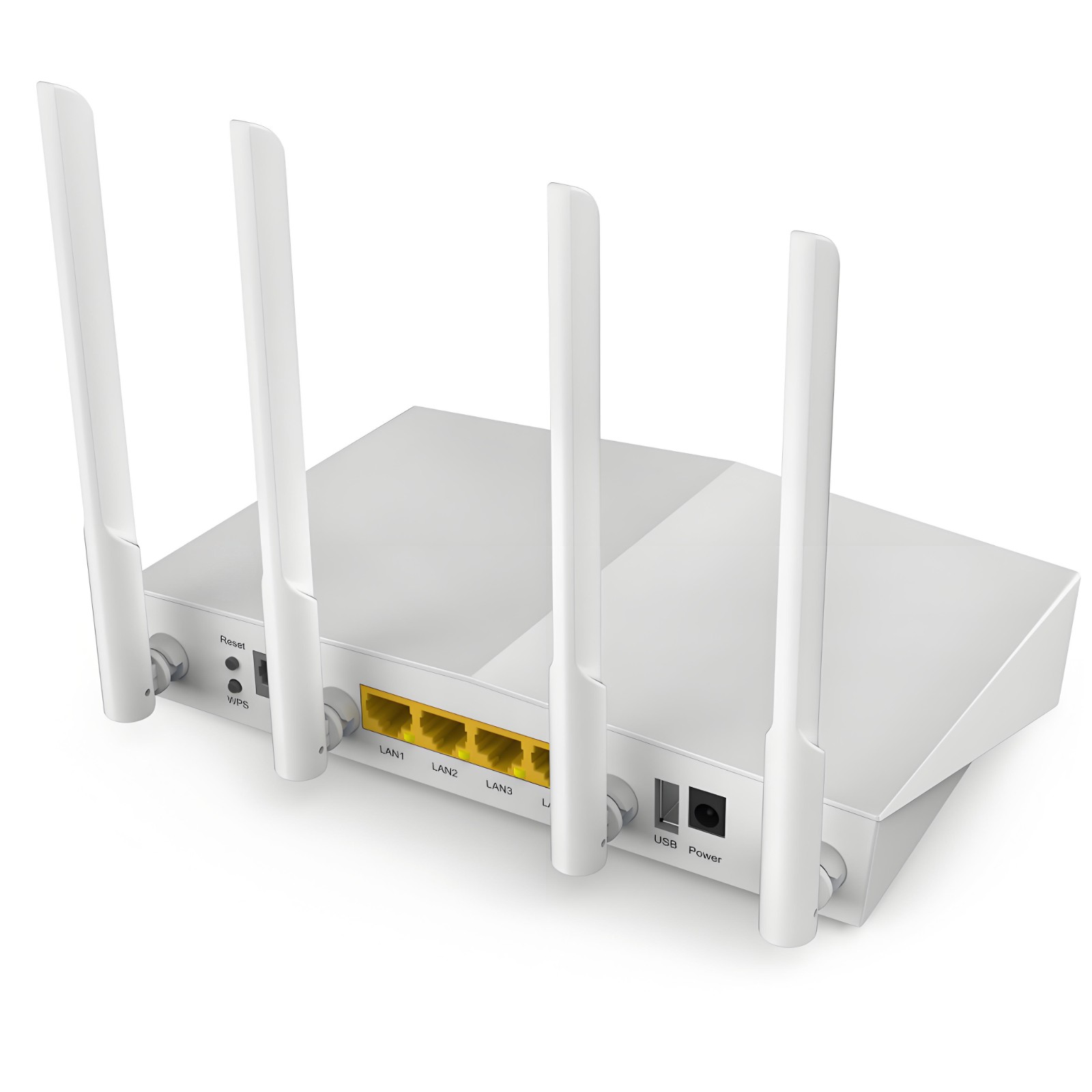
Wireless routers are the core devices for home and office networks, enabling multiple devices to connect via wireless signals. Due to their operation involving radio frequency transmission, they are subject to mandatory control in the Canadian market by ISED (formerly IC). This certification aims to regulate the use of radio frequency devices and ensure spectrum order and user safety.

Obtaining ISED IC certification is a crucial step for wireless routers to enter the Canadian market. The product must pass the certification to legally enter the market for sale; otherwise, it may face risks such as being removed from the market or being fined. At the same time, the certification mark also helps enhance product reputation and market competitiveness, and reduces trade disputes.
To apply for certification, the following materials need to be prepared:
1. Business license (in both Chinese and English);
2. Authorization letter from a local agent in Canada;
3. Product technical specification sheet, circuit schematic diagram, and PCB layout diagram;
4. Radio frequency and EMC test reports issued by an ISED-recognized laboratory;
5. English and French bilingual user manual and compliance label design draft, which must include the specified IC certification number.
The certification process mainly includes:
1. Confirming the product category and applicable standards (such as RSS-247, ICES-003);
2. Submitting materials and samples to the recognized laboratory for testing;
3. After passing the test, submitting the results to ISED for review, with a general processing time of 3-5 working days;
4. After obtaining the certificate, properly marking the certification logo, and then can be legally marketed.
ISED IC certification is a necessary pass for routers to enter the Canadian market. Choosing a service agency with professional experience can assist in efficiently completing the data organization and testing process, helping the product successfully enter the North American market.