In the current era of rapid development in the energy storage industry, the transportation safety and market access of energy storage batteries have become increasingly crucial, and the UN38.3 certification is precisely an important cornerstone for ensuring their compliant circulation. Whether for export overseas or domestic circulation, this certification carries the core consideration of product safety and is also an important boost for enterprises to expand their markets.
Why do energy storage batteries need to obtain UN38.3 certification
UN38.3 certification is a core specification for the transportation of dangerous goods. Energy storage batteries, due to their electrochemical characteristics, pose risks such as short circuits and overheating during transportation and fall within the category of dangerous goods that require strict control. Products that have not obtained this certification cannot be circulated through mainstream transportation methods such as air and sea, and it is even more difficult for them to enter mainstream markets such as Europe and America. Meanwhile, multiple safety tests during the certification process can also help enterprises identify potential safety hazards in product design or production in advance, enhance the core competitiveness of their products, and increase market trust.
Ii. These materials need to be prepared for applying for certification
Preparing the necessary documents before application can significantly enhance the processing efficiency. The core documents include: detailed product specification sheets (including key parameters such as capacity, voltage, and cell model). Product structure diagram and explosion diagram; UN38.3 test outline for battery cells and battery packs; Business license of the enterprise and brand authorization documents (if involving OEM); Samples (usually several battery cells and battery packs need to be provided. The specific quantity can be consulted with the testing institution); Other supplementary materials (such as previous test reports, special process descriptions, etc.).
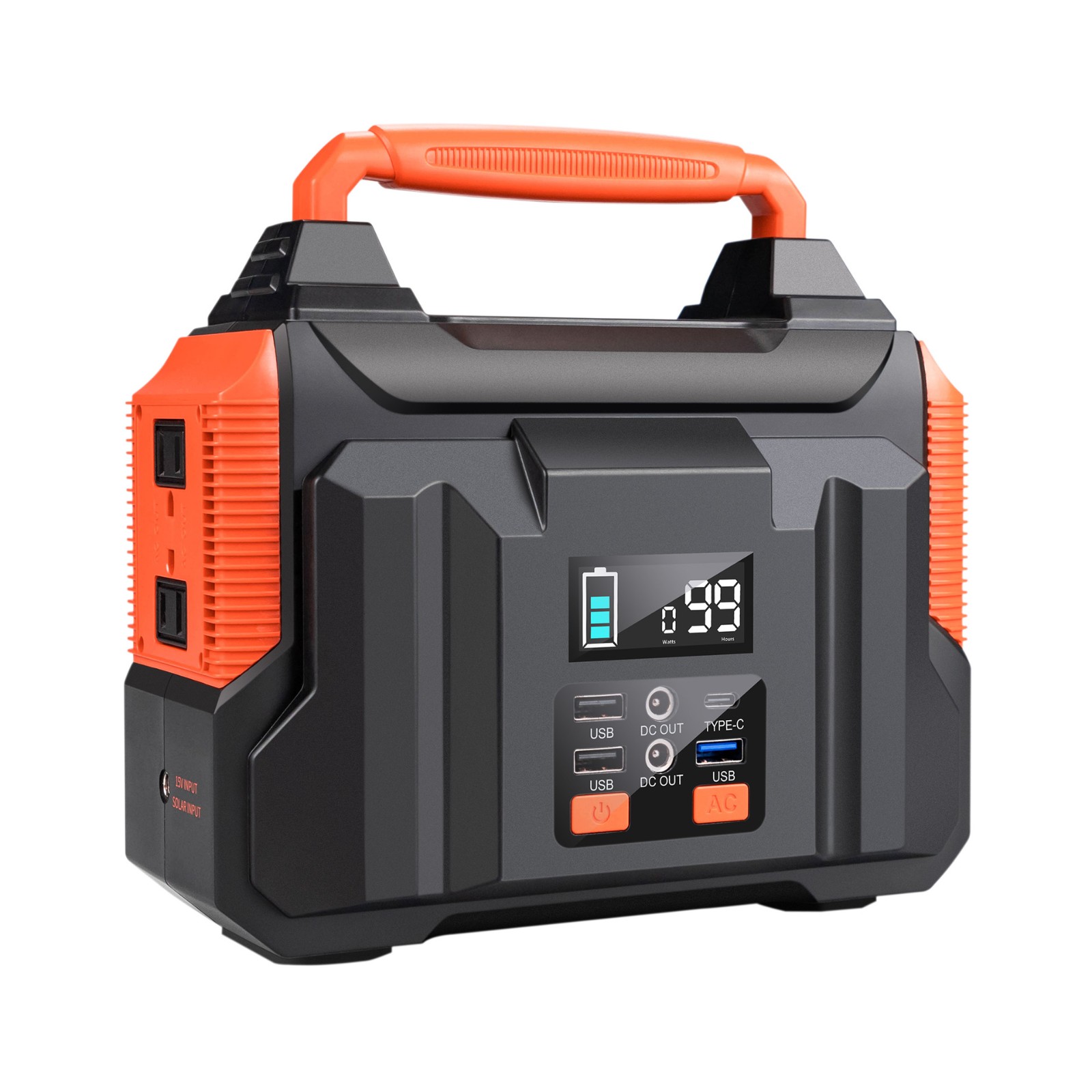
Iii. Certification Application Process: Check it out here without any mistakes
The overall process is clear and easy to understand, mainly divided into four steps: The first step is consultation and communication, connecting with professional testing institutions to clarify the product type, certification requirements and cycle; The second step is to submit the materials. Organize the above-mentioned materials and submit them. The institution will review the completeness and standardization of the materials. The third step is sample testing. The institution conducts 12 core tests in accordance with the UN38.3 standard, including height simulation, temperature testing, and vibration testing. The fourth step is report issuance. After passing the test, a formal certification report will be issued. If the test is not passed, rectification suggestions will be provided. After the enterprise rectifies, it can retest.
In conclusion, the UN38.3 certification serves as a "pass" for energy storage batteries to enter the market in compliance with regulations, and it is also a crucial step for enterprises to ensure product safety and expand the market. ZRLK has extensive experience in the testing and certification of energy storage batteries and can provide enterprises with full-process services from data sorting to sample testing, helping them obtain certificates efficiently and smoothly expand their markets.