
Smart bracelets have become common "wrist companions", but few people pay attention to the compliance issues of their batteries. In the rapid development of the industry, battery safety has drawn much attention from consumers and regulators. CCC certification, as the core compliance threshold for the entry of smart bracelet batteries into the market, serves not only as a "protective charm" for product safety but also as a "pass" for manufacturers.
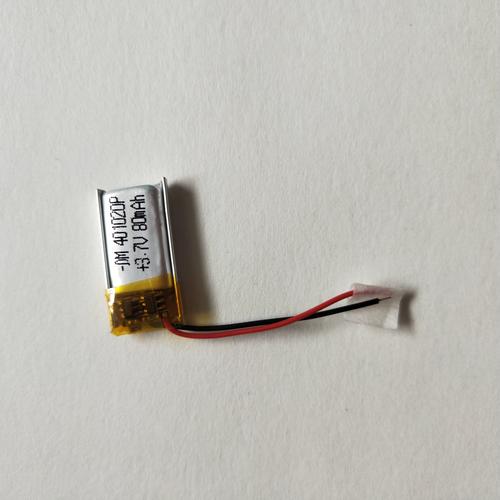
As a national mandatory certification, CCC certification sets strict testing standards for personal safety. Smart bracelet lithium batteries have been included in the certification due to their concern for usage safety. The certification covers core indicators such as capacity stability, overcharge and overdischarge/short-circuit protection, and temperature adaptability, which can avoid the risks of fire and explosion in daily use, accidents or extreme environments. For consumers, batteries with the CCC mark, whose safety performance has been verified by authoritative authorities, offer greater security.
From an industry perspective, CCC certification is regulating the market order of smart bracelets. Under the intensification of market competition, some small manufacturers have simplified battery safety designs to control costs. Such uncertified products not only pose safety hazards but also disrupt the market. The mandatory implementation of CCC certification has established a unified compliance standard, helping legitimate manufacturers build their advantages and guiding the industry towards a "safety first" approach.
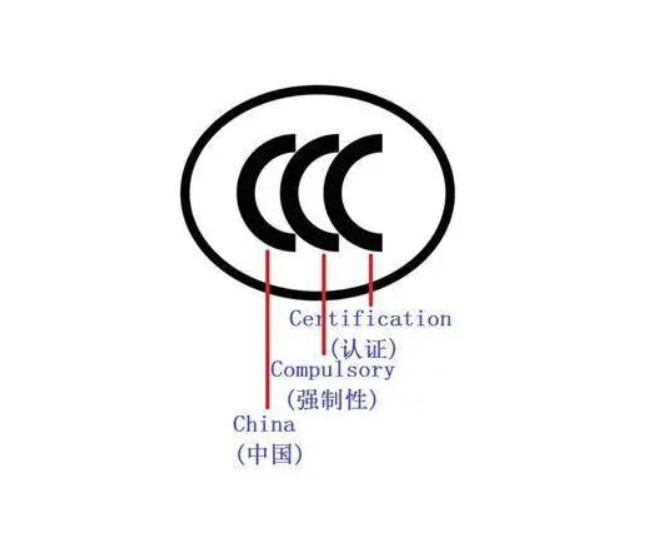
For manufacturers, obtaining CCC certification is not an additional burden but a necessary prerequisite for expanding the market. Uncertified batteries cannot pass compliance checks such as being listed on e-commerce platforms or sold offline, and will lose the qualification to enter the mainstream market. At the same time, obtaining certification is also a manifestation of a manufacturer's technical strength and sense of responsibility, which can enhance brand credibility and consumer recognition. The current certification process has become mature. Third-party institutions can provide guidance to help manufacturers handle the procedures efficiently.
The safety bottom line of smart wearable devices lies in the compliance of core components. CCC certification builds a solid defense line for the batteries of smart bracelets. It is hoped that consumers will pay attention to the CCC mark when making purchases, and it is also expected that manufacturers will proactively practice the concept of compliance and actively apply for certification, jointly promoting the safe and standardized development of the industry.